
When access is the barrier, change the system
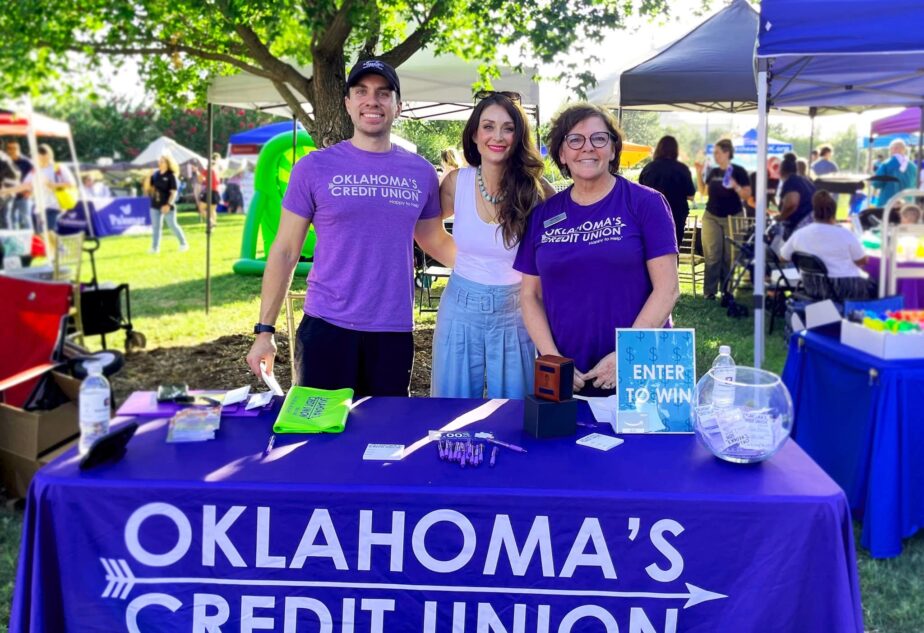
In 1954, a group of 19 employees from the Oklahoma Highway Department came together with a simple goal to help one another access affordable loans. They pooled what they had, some contributing as little as $5, and built what would become Oklahoma’s Credit Union.
Over the decades, that single group of employees expanded their membership across the state, grew their assets from $3,405 to more than 950 million, and held strong to their mission to help Oklahomans do more with their money.
Today, that mission is being tested in a new way. Across the U.S., roughly 400,000 children and youth are in foster care at any given time, and each year, thousands age out of the system without permanent family support. Research shows these young people face significantly higher rates of homelessness, unemployment, and financial instability often without access to the tools or relationships needed to build long-term financial security.
The outcomes are stark:
- Up to 46% experience homelessness by age 26
- Only about half complete high school
- Just 3% earn a four-year degree
- Unemployment can reach 69%
For many foster youth, financial well-being doesn’t start with budgeting or saving. It starts with barriers. Barriers like not having a consistent guardian or co-signer, limited access to identification documents, high distrust of institutions, and increased risk of financial exploitation.
Traditional banking models weren’t designed with these realities in mind and as a result, many young people are locked out before they even begin.
Designing for those facing the greatest barriers
This is where a powerful idea comes into focus for Oklahoma’s Credit Union: when you design for those facing the greatest barriers, you often create better systems for everyone.
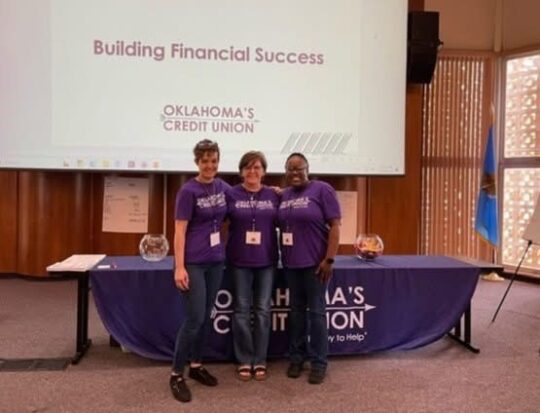 At Oklahoma’s Credit Union, that philosophy became a design challenge to shift their perspective from how they fit individuals into their systems to building a system that works for them.
“We recognized early on that traditional banking processes often leave foster youth behind. By reworking our procedures and leveraging digital tools, we created pathways for youth to access accounts, build savings, and take their first steps toward financial independence on their terms,” said Tricia Jones, Chief Marketing Officer at Oklahoma’s Credit Union.
Through partnerships with state agencies and community organizations, they introduced flexible processes that allowed youth to open accounts even without standard documentation.
Access alone wasn’t enough
Oklahoma’s Credit Union didn’t just open the door for foster youth but also rethought what happens after someone walks through it. Trust had to be built into the system, too.
They combined policy changes, digital tools, and personalized support to create a system designed for accessibility from the start:
- Accounts encouraged saving automatically through round-up features
- Financial education embedded directly into digital banking tools
- Real-time credit monitoring with personalized recommendations
- Data-driven outreach prompted staff to check in and support their journey
Foster youth were suddenly supported and guided through a system intentionally designed to build their confidence over time.
Impact became clear
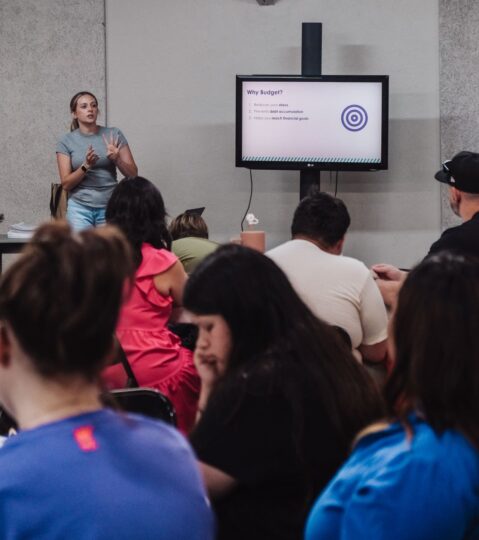 More than 100 youth in foster care didn’t just gain access to accounts but chose to engage fully, opening both savings and checking accounts and beginning to actively manage their money. And with that, Oklahoma’s Credit Union saw early signs of behavior change begin to emerge.
Balances, while modest, reflected the start of saving habits. Some participants moved beyond that initial step, building savings of $200 or more, growing their confidence and goal setting.
And for one young adult, that journey continued even further. After opening their first accounts and receiving personalized support, they qualified for, and secured, their first auto loan. This significant milestone represented far more than a financial product. It represented mobility, opportunity, and independence.
Designing for trust
When trust is intentionally designed into onboarding, communication, and safeguards, something shifts. Individuals who might otherwise avoid traditional financial institutions, or turn to alternative services like payday lenders, begin engaging in more intentional ways.
When Oklahoma’s Credit Union designed accounts and services specifically for foster youth, the solutions began to scale to other at-risk youth, to families navigating financial instability and to members who had previously been underserved.
Credit unions have invested heavily in digital tools while at the same time, fraud is rising, scams are getting more sophisticated, and many individuals are disengaging with traditional financial institutions altogether.
This is where inclusion becomes a strategy for growth, stability, and relevance. Because when credit unions design systems that work for those facing the greatest barriers, they are building stronger systems for everyone.
The National Credit Union Foundation is proud to support and elevate this work to help credit unions test new approaches and scale what works for not just one vulnerable population, but for all of them.
Oklahoma’s Credit Union was a recipient of a 2024-2025 Foster Youth Grant.