
Turning financial education into financial stability

For larger credit unions, innovation often starts with testing. It’s about exploring new approaches, products, and populations to not only improve financial well-being in their communities, but also sharpen how they deliver it.
At Virginia Credit Union (VACU), that meant asking a simple question: what does it take for financial education to actually stick?
The answer led them to build a program for youth aging out of foster care that was designed not just to teach, but to drive real behavior change over time.
Building more than a program
At VACU, the goal wasn’t just to deliver financial education but to make it stick. Through a partnership with United Methodist Family Services, the credit union designed a program specifically for youth aging out of foster care that combined education, incentives, and ongoing support over time.
What started as a goal to serve 30 students quickly grew. By the end of the program, 42 students had fully completed the experience, exceeding expectations and clearly showing that when the right conditions are created, engagement follows.
Turning education into action
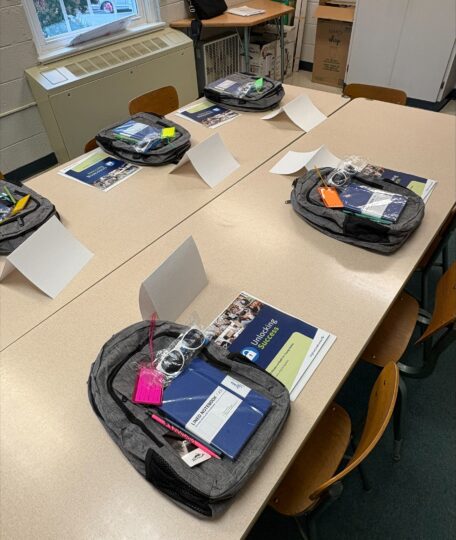
Participants showed up week after week to engage in a structured program designed to build real financial capability. Each session focused on core topics like budgeting, saving, and building credit. But what made this program different was how learning was reinforced.
Each student had the opportunity to earn up to $1,000 through participation and attendance, creating a strong incentive to stay engaged while building financial habits. In total, more than $39,000 was paid directly to students for completing the program providing immediate and tangible support alongside long-term financial skills.
Over time, that structure began to translate into real outcomes. Participants collectively saved more than $11,000, which was then matched through the program. These seemingly small, consistent actions quickly became meaningful financial progress.
Many participants also took a critical first step in their financial journey:
- 40 new memberships were opened
- 33 new checking accounts were established
- 40 savings accounts were created, giving participants a place to build and grow their money
These are the beginning of financial habits that can last a lifetime.
The moment it becomes real
For one participant in their program, the impact of this program wasn’t theoretical.
“One student came to us on the brink of homelessness and through this program, she was able to use what she learned and use the support she received to stay in her home,” said Cherry Dale, svp of financial education at VACU. “That’s when it becomes real. This isn’t just financial education, it is actual stability, security, and a second chance.”
In that moment, Dale got a front row seat to what financial well-being truly means. She saw the knowledge and access these youth now embraced, turn into stability in a moment when it mattered most.
What participants valued most
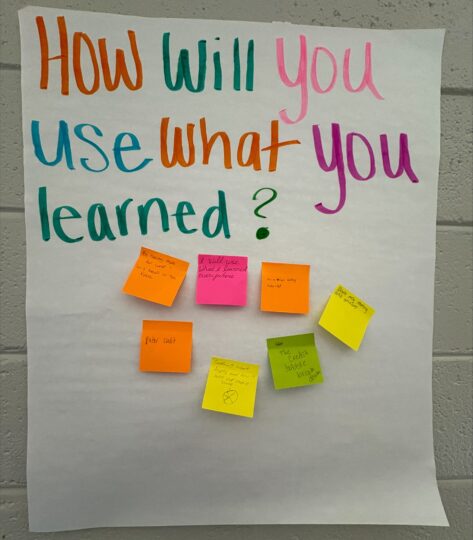
As VACU surveyed the participants, they heard one theme rise to the top: importance of understanding credit. That knowledge gave them a sense of control and a starting point for building their financial future.
For many, this was the first time they had even been exposed to how credit works, and why it matters. It gave them a lens to understand not just their current situation, but their future opportunities.
While this part of the curriculum was one of the most important lessons from this program, it was also about the connections and relationships they made along the way.
“We learned quickly that consistency matters,” Dale reflected. “When we had the same presenters showing up each week, engagement changed. Trust grew and overall participation increased. It reinforced that financial education is so much more than the content, but also about connection.”
Even after completing the program, participants continued reaching out to ask questions, seek guidance, and stay connected. They knew someone was there to help.
From participation to impact
Before the program, only a small percentage of participants were considered financially “healthy.” By the end, that number had grown significantly, with many participants moving toward greater stability and confidence in managing their money.
The real transformation was in their mindsets. Participants began thinking differently about spending and saving, setting financial goals, and understanding how today’s decisions impact tomorrow’s opportunities. The financial education they received suddenly became a foundation for something more.
The National Credit Union Foundation is proud to support this work to help credit unions create programs that don’t just educate, but create impact built on trust, knowledge, and opportunity.
Virginia Credit Union was the recipient of a 2024-2025 Foster Youth Grant.